-
 Forza Horizon 6 Launch: Release Timings, Price, Ratings and Everything You Need to Know14 May 2026
 -
Playground Games Acknowledges Forza Horizon 6 Leak, Bans Players Accessing the Game12 May 2026
-
Forza Horizon 6 Reportedly Leaks on Steam Days Ahead of Launch11 May 2026
-
Anthropic’s Microsoft 365 Integration Expands With Claude for Excel, PowerPoint and Word8 May 2026
-
Microsoft Says It Will Share More on Project Helix, the Next-Gen Xbox Console, Later This Year8 May 2026
- Home
- Mobiles
- Mobiles News
- Microsoft sues Motorola over smart phone patents
Microsoft sues Motorola over smart phone patents
By Associated Press | Updated: 7 June 2012 17:02 IST
Click Here to Add Gadgets360 As A Trusted Source

Advertisement
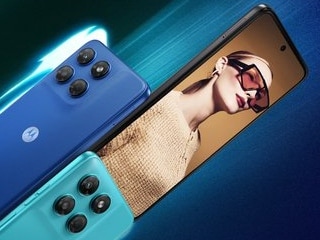
Microsoft Corporation is suing Motorola Inclusive for infringing on its smart-phone patents.
The software maker on Friday said Motorola phones that use Google Inclusive Android software step on Microsoft technology. The functions in question include synchronizing e-mail, calendars and contacts.
Microsoft filed its lawsuit in the US District Court for the Western District of Washington. It also filed a claim with the International Trade Commission.
Microsoft said Motorola licensed some of its mobile technology from 2003 to 2007, but did not renew the license even as the handset maker continued to use the technology.
This isn't the first move Microsoft has made to protect its mobile patents. In April, it announced licensing agreement with another Android phone maker, Taiwan's HTC Corporation.
A spokeswoman for Schaumburg, Ill-based Motorola said the company has not seen the lawsuit and therefore can't comment on its contents.
"Motorola has a leading intellectual property portfolio, one of the strongest in the industry, and we will vigorously defend ourself in this matter," spokeswoman Jennifer Erickson said.
Erickson declined to comment on Microsoft's assertion that the company licensed the technology in the past, but has since let the license lapse.
The software maker on Friday said Motorola phones that use Google Inclusive Android software step on Microsoft technology. The functions in question include synchronizing e-mail, calendars and contacts.
Microsoft filed its lawsuit in the US District Court for the Western District of Washington. It also filed a claim with the International Trade Commission.
Microsoft said Motorola licensed some of its mobile technology from 2003 to 2007, but did not renew the license even as the handset maker continued to use the technology.
This isn't the first move Microsoft has made to protect its mobile patents. In April, it announced licensing agreement with another Android phone maker, Taiwan's HTC Corporation.
A spokeswoman for Schaumburg, Ill-based Motorola said the company has not seen the lawsuit and therefore can't comment on its contents.
"Motorola has a leading intellectual property portfolio, one of the strongest in the industry, and we will vigorously defend ourself in this matter," spokeswoman Jennifer Erickson said.
Erickson declined to comment on Microsoft's assertion that the company licensed the technology in the past, but has since let the license lapse.
Comments
Get your daily dose of tech news, reviews, and insights, in under 80 characters on Gadgets 360 Turbo. Connect with fellow tech lovers on our Forum. Follow us on X, Facebook, WhatsApp, Threads and Google News for instant updates. Catch all the action on our YouTube channel.
Related Stories






Advertisement
Follow Us




-

04:12
Samsung Galaxy A37 Review: Camera, Gaming & Battery Tested! -
14:16
[Partner Content] OPPO F33 Pro 5G Explained: Built for the Big Moments -
05:21
Poco X8 Pro Max Review | Is This the Ultimate Budget Beast? -
04:16
OnePlus Nord 6 Review | Full Honest Review, Camera Test, Performance & Battery -
05:17
Samsung Galaxy A57 Full Review: 50MP Triple Camera & 5000mAh Battery. Worth It?
-
50MP कैमरा, 6000mAh बैटरी के साथ Motorola का फोल्डेबल फोन Razr Fold लॉन्च
-
6 हजार रुपये सस्ता मिल रहा Samsung का 50MP कैमरा वाला जबरदस्त फोन
-
Flipkart SASA LELE Sale: 50 हजार वाले फोन पर जबरदस्त डिस्काउंट
-
WhatsApp पर प्राइवेट चैट, कंपनी भी नहीं पढ़ेगी आपकी बातें! जानें क्या है Incognito Chat फीचर
-
iQOO Z11 भारत में लॉन्च के लिए तैयार! 165Hz डिस्प्ले, दमदार Snapdragon प्रोसेसर से हो सकता है लैस
Advertisement
Popular on Gadgets
- Samsung Galaxy Unpacked 2026
- iPhone 17 Pro Max
- ChatGPT
- iOS 26
- Laptop Under 50000
- Smartwatch Under 10000
- Apple Vision Pro
- Oneplus 12
- OnePlus Nord CE 3 Lite 5G
- iPhone 13
- Xiaomi 14 Pro
- Oppo Find N3
- Tecno Spark Go (2023)
- Realme V30
- Best Phones Under 25000
- Samsung Galaxy S24 Series
- Cryptocurrency
- iQoo 12
- Samsung Galaxy S24 Ultra
- Giottus
- Samsung Galaxy Z Flip 5
- Apple 'Scary Fast'
- Housefull 5
- GoPro Hero 12 Black Review
- Invincible Season 2
- JioGlass
- HD Ready TV
- Latest Mobile Phones
- Compare Phones
Latest Gadgets
- Vivo Y60
- Sony Xperia 1 VIII
- Itel Zeno 200
- OnePlus Nord CE 6 Lite
- OnePlus Nord CE 6
- Honor Play 70C
- Honor Play 80 Plus
- Moto G47
- Alienware 15 (2026, AMD)
- Alienware 15 (2026, Intel)
- Huawei MatePad Pro Max
- HP OmniPad 12
- Garmin Forerunner 170
- Garmin Forerunner 70
- Lumio Vision 9 (2026)
- Lumio Vision 7 (2026)
- Asus ROG Ally
- Nintendo Switch Lite
- Blue Star 1.5 Ton 5 Star Inverter Split AC (IA518ZXUS)
- Blue Star 1.5 Ton 3 Star Inverter Split AC (IA318ZXU)

- About Us
- Sitemaps
- Feedback
- Archives
- Contact Us
- RSS
- Advertise
- Career
- Privacy Policy
- Ethics
- Editorial Policy
- Terms & Conditions
- Complaint Redressal
Download Our Apps
Available in Hindi
© Copyright Red Pixels Ventures Limited 2026. All rights reserved.