-
 Vivo X6 Plus Gets Listed on Certification Site With Images27 November 2015
 -
Panasonic Eluga L 4G With 5-Megapixel Front Camera Launched at Rs. 12,9904 May 2015
-
Android 5.0 Lollipop Now Powering 3.3 Percent of Active Devices: Google3 March 2015
-
LG Slashes Prices of L Bello, L Fino Dual-SIM Smartphones in India26 February 2015
-
Intex Aqua Star L Launched as 'First Android 5.0 Lollipop Phone by Indian Brand'13 February 2015
- Home
- Mobiles
- Mobiles News
- Android One in Mind, Google Encourage Developers to Optimise Apps for the Next 5 Billion
Android One in Mind, Google Encourage Developers to Optimise Apps for the Next 5 Billion
By NDTV Correspondent | Updated: 17 September 2014 10:30 IST
Click Here to Add Gadgets360 As A Trusted Source

Advertisement
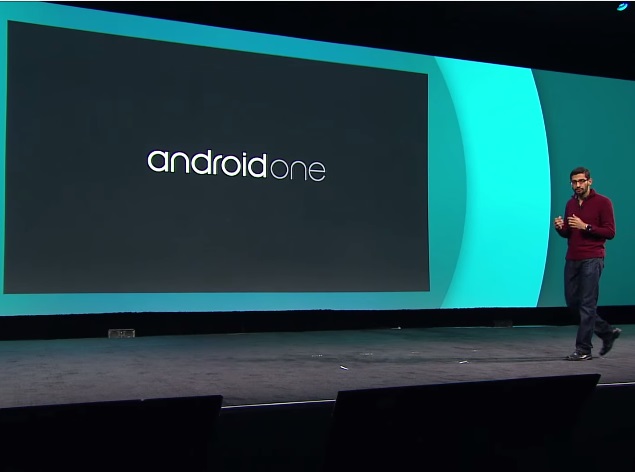
Earlier this week, Google partnered with India's Micromax, Karbonn, and Spice to unveil its first set of low-cost Android One smartphones. With the promise of quality hardware (relative to the cost) and regular software updates, the Android One initiative is meant to provide an optimum Android experience to those on a budget. With the hardware and core OS in order, Google is now focusing its attention on third-party developers.
(Also see: Flipkart, Snapdeal and Amazon in Battle for Indian Android One Market)
"These days, we often talk about smooth, 60fps transitions and keeping apps jank-free, and rightly so - performance is a critical metric for app quality," Developer Advocate Rich Hyndman writes on the Android Developers Blog. "But in the user experience hierarchy of needs, an app should first and foremost do its job reliably and consistently."
(Also see: Flipkart, Snapdeal and Amazon in Battle for Indian Android One Market)
"These days, we often talk about smooth, 60fps transitions and keeping apps jank-free, and rightly so - performance is a critical metric for app quality," Developer Advocate Rich Hyndman writes on the Android Developers Blog. "But in the user experience hierarchy of needs, an app should first and foremost do its job reliably and consistently."
Hyndman then takes an example of how an app with search functionality could adapt to poor connectivity conditions, a scenario that's especially pertinent to emerging markets where the Android One phones are expected to make a mark.
(Also see: Android One Smartphones Sales Could Touch 2 Million in 2014: MediaTek)
"If you're trying to build a robust app to reach the next five billion, it might be less about returning a result immediately, and more about returning a result at all," Hyndman writes. "To address this challenge, why not include an option to users to 'notify me with the results' when a search query is running on a slow network? Your app can then take as long as it needs to successfully retrieve the data in the background and show a notification when complete."
Hyndman points developers to tools like the Android Emulator that they can use to simulate various network speed and network delay conditions and test their apps under varying conditions.
Apart from poor connectivity, another common factor on the low-cost Android One smartphones is likely to be limited RAM availability. Hyndman points developers to tools in the Android SDK they can use to check and optimise their apps' memory usage.
Finally, with battery usage becoming a key focus with Android L and Project Volta, the post encourages users to pay attention to the power requirements of their apps.
"By ensuring your app works well on slower networks, uses minimal memory, minimises battery usage and doesn't have a larger-than-necessary APK, you will help the next five billion discover, use and love your app," Hyndman concludes.
Comments
Get your daily dose of tech news, reviews, and insights, in under 80 characters on Gadgets 360 Turbo. Connect with fellow tech lovers on our Forum. Follow us on X, Facebook, WhatsApp, Threads and Google News for instant updates. Catch all the action on our YouTube channel.
Related Stories




Advertisement
Follow Us




-

05:05
Goboult Mustang Racer Smartwatch Review: Should You Get This Mustang Smartwatch? -
04:58
OnePlus Nord Buds 4 Pro Review: Specs, Sound Quality, ANC, and Battery Backup Tested -
02:29
[Sponsored] Samsung Galaxy S26 Ultra First Look: AI Smartphone for Creators, Gaming & Productivity -
04:25
Vivo X200T Review - Full Camera, Gaming & Battery Test | Worth Buying? -
28:31
The Future of Productivity: Logitech's Anatoliy Polyanker On AI, Hybrid Work, And India's Tech Boom
Advertisement
Popular on Gadgets
- Samsung Galaxy Unpacked 2026
- iPhone 17 Pro Max
- ChatGPT
- iOS 26
- Laptop Under 50000
- Smartwatch Under 10000
- Apple Vision Pro
- Oneplus 12
- OnePlus Nord CE 3 Lite 5G
- iPhone 13
- Xiaomi 14 Pro
- Oppo Find N3
- Tecno Spark Go (2023)
- Realme V30
- Best Phones Under 25000
- Samsung Galaxy S24 Series
- Cryptocurrency
- iQoo 12
- Samsung Galaxy S24 Ultra
- Giottus
- Samsung Galaxy Z Flip 5
- Apple 'Scary Fast'
- Housefull 5
- GoPro Hero 12 Black Review
- Invincible Season 2
- JioGlass
- HD Ready TV
- Latest Mobile Phones
- Compare Phones
Latest Gadgets
- Nord 6
- Honor X80i
- Honor Play 80 Pro
- Redmi Note 15 SE 5G
- Redmi A7 Pro
- OPPO K15 Pro
- OPPO K15 Pro+
- Lava Bold N2 Lite
- Xiaomi Book Pro 14
- MacBook Neo
- Vivo Pad 6 Pro
- Lenovo Legion Y700 Gen 5
- boAt Valour Watch 1R
- Xiaomi Watch S5
- Xiaomi QLED TV X Pro 75
- Haier H5E Series
- Asus ROG Ally
- Nintendo Switch Lite
- Haier 1.6 Ton 5 Star Inverter Split AC (HSU19G-MZAID5BN-INV)
- Haier 1.6 Ton 5 Star Inverter Split AC (HSU19G-MZAIM5BN-INV)

- About Us
- Sitemaps
- Feedback
- Archives
- Contact Us
- RSS
- Advertise
- Career
- Privacy Policy
- Ethics
- Editorial Policy
- Terms & Conditions
- Complaint Redressal
Download Our Apps
Available in Hindi
© Copyright Red Pixels Ventures Limited 2026. All rights reserved.