
Get Alerts
From Gadgets 360

Xiaomi is a privately owned company that designs, develops, and sells smartphones, an Android-based OS, and other consumer electronics. Xiaomi also makes fitness trackers, TVs, air purifiers, and tablets. It has a skin for its Android phones and tablets – MIUI. The company largely sells its phones via flash sales in India.









Xiaomi Latest News View All News
-
Global Xiaomi 18 Pro and 18 Pro Max Reported to Get Smaller Batteries Compared to China Models Updated: 25 September 2026

-
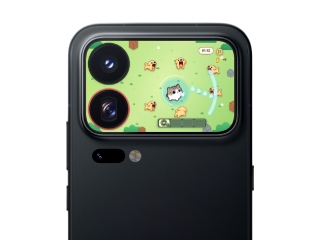
Xiaomi 18 Pro India Launch Teased Following China Debut; to Feature Secondary Rear Screen Updated: 25 September 2026
-
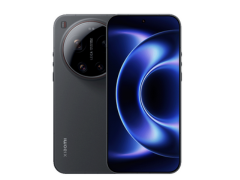
Xiaomi 18 Pro Max, Xiaomi 18 Pro Launched With Up to 2nm Snapdragon 8 Elite Extreme Gen 6 SoC, Privacy Display Updated: 23 September 2026
-
Xiaomi 18 Pro Camera Details Revealed Ahead of September 23 Launch: What You Need to Know Updated: 22 September 2026
-
Xiaomi 18 Pro Series Launch Date Announced as Firm Teases New Privacy Display Feature, Colour Options Updated: 21 September 2026
-
Xiaomi 18 Pro Max Geekbench Listing Reveals Key Details Ahead of Launch Updated: 18 September 2026



Xiaomi Reviews View All Reviews
-
Xiaomi TV FX Mini LED 65
-
Redmi Note 17 5G
-
Redmi Turbo 5
-
Xiaomi 17T
Xiaomi TV FX Mini LED 65 Review
- Design
- Performance
- Value for Money
- Software
- Features
- Good
- Full Array Local Dimming
- Good contrast and HDR performance
- 32GB storage
- DLG 120Hz mode for gaming
- HDMI 2.1 connectivity and eARC
- AirPlay 2 and Alexa support
- Competitive pricing
- Bad
- 60Hz native refresh rate
- No Dolby Vision
- Built-in audio lacks the impact of a dedicated soundbar
Large-screen TVs were once considered only for ultra-premium buyers, as most of them used to cost well over Rs. 1 lakh. However, over the past few years, we have seen multiple brands launch big-screen TVs with the latest technologies at more affordable price points, and Xiaomi is one of them. The company recently introduced its FX Mini LED TV series, starting at Rs. 32,999 for the 43-inch variant and going up to Rs. 84,999 for the 75-inch variant. I have been using the 65-inch model for a while now, which comes with a price tag of Rs. 64,999. On paper, the FX Mini LED 65 looks like a well-equipped TV, but does it have the right ingredients to be the right fit for your home? Here's what you need to know:
Redmi Note 17 5G Review
- Design
- Display
- Software
- Performance
- Battery Life
- Camera
- Value for Money
- Good
- Bright and punchy OLED display
- IP65-rated design
- Good battery life
- Bad
- Heavy, two-handed design
- Software interface stutters randomly
- Plenty of presintalled apps and games
- Poor GPU performance
- Single bottom-firing speaker
- Single 128GB storage variant
- Hybrid SIM card tray for SD card expansion
- Maximum 1080p 30 fps video recording
Keeping in mind how drastically the memory crisis is impacting budget and mid-range smartphones in 2026, it remains to be seen how Xiaomi's humble Redmi Note (once a budget smartphone) still manages to deliver value. Like all smartphones announced this year, Xiaomi too has hiked the price of its Redmi Note 17 because of the rising cost of memory, but it does not appear as brutal on paper as we expected. In terms of upgrades, the Redmi Note 17 gets a bigger display, an updated processor and a new-age, high-capacity battery. But after using it for a week, we discovered some other deductions that will surprise you.
Redmi Turbo 5 Review
- Design
- Display
- Software
- Performance
- Battery Life
- Camera
- Value for Money
- Good
- Polished and premium IP69K-rated design
- Dolby Vision, HDR10+ certified display
- Software feels fluid and smooth
- Gaming-grade performance
- Bad
- Loaded with preinstalled third-party apps
- Spammy notifications and ads
- Average selfie and ultrawide cameras
- Gets hot when using the camera app
Xiaomi's Redmi Turbo series has finally made its debut in India after years of being locked up in China. Xiaomi has never launched a Turbo-branded device in the past solely because these devices have always made their way to India under its Poco sub-brand. And as things would have it, Poco already launched its X8 Pro in India back in March. Both phones are identical in core hardware, appearance, and dimensions, but Xiaomi's Redmi Turbo 5 has a larger battery. Can this higher battery capacity justify the Turbo 5's slightly higher price tag? And are there better options that offer a more holistic premium smartphone experience for around Rs. 37,999?
Xiaomi 17T Review
- Design
- Display
- Software
- Performance
- Battery Life
- Camera
- Value for Money
- Good
- Excellent Leica-tuned camera system
- Outstanding 5x periscope telephoto camera
- Bright, vibrant AMOLED display
- Good battery life
- Reliable everyday and gaming performance
- Bad
- Polycarbonate build feels less premium
- Refresh rate behaviour can be inconsistent
- Selfie camera lacks autofocus
Calculated compromises — this is probably the best word to describe smartphones in the sub-flagship tier in recent years. In most cases, brands have selectively adopted top-tier features from their flagship offerings, while cutting specific corners to meet a more accessible price point. For the longest time, Xiaomi's 'T' series was among the absolute gold standard of this philosophy. Wherever available, it built a good reputation for delivering near-flagship features at highly aggressive prices. Indian consumers, however, were starved of this formula for over 4 years, but that is no longer the case.
Latest Features
-
Snapdragon 8 Elite Gen 6 Series: Here Are All the Phones Featuring the New ChipsetsWritten by Nithya P Nair, 18 September 2026
-
Best Phones for Video Recording in India: iPhone 17 Pro Max, Galaxy S26 Ultra, and MoreWritten by Nithya P Nair, 18 September 2026
-
Best Phones for Portrait Photography in India in 2026: Pixel 11 Pro, Vivo X300 Ultra, MoreWritten by Sucharita Ganguly, 18 September 2026
-
iPhone 18 Pro, iPhone 18 Pro Max Alternatives: Pixel 11 Pro to Xiaomi 17 Ultra and MoreWritten by Sucharita Ganguly, 18 September 2026
-
Best Smartphones With 200-Megapixel Cameras to Buy in India in 2026: Oppo Find X9 Ultra, Galaxy S26 Ultra, MoreWritten by Nithya P Nair, 18 September 2026
-
Snapdragon 8 Elite Gen 6 Series Roundup: Launch Date, Specifications and Expected PhonesWritten by Sucharita Ganguly, 18 September 2026
Xiaomi Videos View All Videos
-
19:39
LIVE: Xiaomi 17T & Xiaomi TV FX Mini LED Series Launch | Get Closer to Every Detail
-
01:23
Tech Tip में जाने अपने Iphone के Brightness के बारे में ये जानकारियां | Technical Guruji
-
03:58
Samsung Galaxy A35 5G खरीदना है फायदे का सौदा? | Ask TG | Gadgets 360 With Technical Guruji
-
01:09
Website पर ध्यान भटकाने वाली चीजों से कैसे बचें | Tech Tips | Gadgets 360 With Technical Guruji
-
01:13
क्या आपको पता है Google का Original नाम | Did You Know | Gadgets 360 With Technical Guruji
-
16:43
Gadgets 360 With Technical Guruji: Jio Partners SpaceX, Xiaomi 15 Series और Samsung Galaxy A56






Trending









Advertisement
Best Mobile Phones
- Best Mobile Phones
- Best Camera Mobile Phones
- Best Mobile Phones Under 10000
- Best Mobile Phones Under 15000
- Best Mobile Phones Under 20000
- Best Mobile Phones Under 25000
- Best Mobile Phones Under 30000
- Best Mobile Phones Under 35000
- Best Mobile Phones Under 40000
- Mobile Phones between 10000 to 15000
- Best Camera Mobile Phones Under 15000
- Best Camera Mobile Phones Under 20000
- Best Camera Mobile Phones Under 25000
- Best Camera Mobile Phones Under 30000
- Best 5G Mobile Phones Under 15000
- Best 5G Mobile Phones Under 20000
- Best 5G Mobile Phones Under 25000
- Best 5G Mobile Phones Under 30000
- Best 5G Mobile Phones Under 40000
- Best 5G Mobile Phones Under 50000
Advertisement
Popular on Gadgets
- Samsung Galaxy S26 Ultra
- Motorola Razr Fold
- ChatGPT
- OPPO Find N6
- Mobiles Under Rs. 40,000
- Vivo X300 Ultra
- Asus Zenbook S14
- iQOO 15
- Vivo X300 Pro
- Lenovo Yoga Slim 7i Aura Edition
- iQOO 15R
- Vivo X Fold 5
- Sony PlayStation 5
- HP OmniPad 12
- OnePlus Nord CE 6 Lite
- OnePlus Pad 4
- OPPO F33 Pro 5G
- Cryptocurrency
- HP OmniBook Ultra 14 (2026)
- iPhone 17
- Eureka Forbes AP 355 Room Air Purifier
- Latest Mobile Phones
- Compare Phones
Latest Gadgets
- OPPO Reno 16t
- Itel Zeno 300
- Vivo Y600i
- Mivi One 5G
- Xiaomi 18 Pro Max
- Motorola Signature 27
- OPPO Find X10 E
- OnePlus N6 Lite 4G
- Microsoft Surface Laptop, 13-inch (2nd Edition)
- Lenovo LOQ 15AHP11
- Microsoft Surface Pro, 12-inch (2nd Edition)
- Xiaomi Pad 9 Pro
- Amazfit T-Rex Dual Solar
- OPPO Watch S2
- Toshiba 65-Inch 4K Ultra HD Smart Mini LED QLED TV (65Z670SP)
- Haier M70 Mini LED 65-inch
- Acer Predator Atlas 8
- Asus ROG Ally
- Blue Star 1.5 Ton 5 Star Inverter Split AC (IE518ZNURS)
- Blue Star 2 Ton 3 Star Inverter Window AC (WIE324L)

- About Us
- Sitemaps
- Feedback
- Archives
- Contact Us
- RSS
- Advertise
- Career
- Privacy Policy
- Ethics
- Editorial Policy
- Terms & Conditions
- Complaint Redressal
Download Our Apps
Available in Hindi
© Copyright Red Pixels Ventures Limited 2026. All rights reserved.