
Get Alerts
From Gadgets 360

Xiaomi is a privately owned company that designs, develops, and sells smartphones, an Android-based OS, and other consumer electronics. Xiaomi also makes fitness trackers, TVs, air purifiers, and tablets. It has a skin for its Android phones and tablets – MIUI. The company largely sells its phones via flash sales in India.









Xiaomi Latest News View All News
-
Xiaomi 17T Pro Listing on Thailand's NBTC Certification Site Hints at Imminent Global Launch Updated: 25 March 2026

-
Redmi Note 15 SE 5G India Launch Date Announced as Company Reveals Key Features Updated: 24 March 2026
-
Redmi Note 16 Series Tipped to Launch With Upgraded Battery, Similar Camera Hardware as Predecessor Updated: 24 March 2026
-
Xiaomi SU7 EV Refreshed With 902km CLTC Range, Nvidia Thor AGX-Powered Assisted Driving Features Updated: 20 March 2026
-
Xiaomi Watch S5 Launched With 1.48-Inch AMOLED Display, Up to 21 Days of Battery Life: Price, Features Updated: 19 March 2026
-
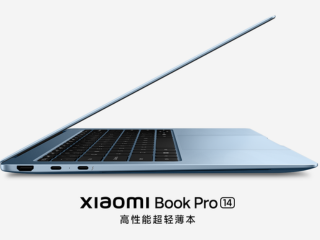
Xiaomi Book Pro 14 Launched With Up to Intel Core Ultra X7 358H Processor, 72Wh Battery: Price, Features Updated: 19 March 2026




Xiaomi Reviews View All Reviews
-
Xiaomi 17
-
Xiaomi 17
-
Redmi Pad 2
-
Xiaomi X Pro QLED 2025 (65-Inch)
Xiaomi 17 Review
- Design
- Display
- Software
- Performance
- Battery Life
- Camera
- Value for Money
- Good
- Vibrant 12-bit LTPO AMOLED display
- Impressive still cameras and video recording
- Perfectly usable 8K video recording
- Good battery life
- 100W fast wired charging
- 50W wireless charging (using proprietary dock)
- Bad
- Average ultrawide camera
- AI tools need some polish
- Poor ultrawide video recording
- Preinstalled third-party app
In the premium segment, buyers expect nothing but the best from their smartphones. This would include excellent displays, crazy-good cameras and phenomenal battery life. But come 2025, we witnessed the reemergence of compact flagships. Devices that claimed to offer 'Pro'-grade hardware (including cameras) in a compact form factor, minus the 'Pro' price tag. A segment once dominated by Samsung's Galaxy S series, now has competition from a bunch of manufacturers like Vivo, Oppo and Xiaomi that launched a series of compact and premium devices. 2026 is no different. Rising prices (due to the RAM crisis) have forced manufacturers to add more variety, with handsets like Vivo's V series entering the fray, starting at as low as Rs. 51,999. With so much competition, it does seem a bit odd that Xiaomi decided to raise the price of its latest compact flagship tag to a new high.
Xiaomi 17 Review
- Design
- Display
- Software
- Performance
- Battery Life
- Camera
- Value for Money
- Good
- Vibrant 12-bit LTPO AMOLED display
- Impressive still cameras and video recording
- Perfectly usable 8K video recording
- Good battery life
- 100W fast wired charging
- 50W wireless charging (using proprietary dock)
- Bad
- Average ultrawide camera
- AI tools need some polish
- Poor ultrawide video recording
- Preinstalled third-party app
In the premium segment, buyers expect nothing but the best from their smartphones. This would include excellent displays, crazy-good cameras and phenomenal battery life. But come 2025, we witnessed the reemergence of compact flagships. Devices that claimed to offer 'Pro'-grade hardware (including cameras) in a compact form factor, minus the 'Pro' price tag. A segment once dominated by Samsung's Galaxy S series, now has competition from a bunch of manufacturers like Vivo, Oppo and Xiaomi that launched a series of compact and premium devices. 2026 is no different. Rising prices (due to the RAM crisis) have forced manufacturers to add more variety, with handsets like Vivo's V series entering the fray, starting at as low as Rs. 51,999. With so much competition, it does seem a bit odd that Xiaomi decided to raise the price of its latest compact flagship tag to a new high.
Redmi Pad 2 Review
- Design
- Display
- Software
- Performance
- Battery Life
- Camera
- Value for Money
- Good
- HyperOS is very tablet-friendly
- Solid software commitment
- Sufficiently large battery
- Immersive audio
- Bad
- If heavier than it looks
- No biometric unlock method
- No adaptive auto-brightness system
- Display could have been brighter
- Slow wired charging
The high-value, do-it-all Redmi Pad is finally back after a 3-year wait. Aptly called the Redmi Pad 2, the tablet appears to be slightly different and features some essential additions that were missing from the first model. There's a new processor, a slightly more pixel-dense display, and a slightly bigger battery, all of which I found to be questionable at best. However, there are also some new additions, such as stylus support and cellular connectivity, which seem to make it even more attractive than the previous model. I have been using this tablet for a couple of weeks, and I feel that despite the minor upgrades, the Redmi Pad 2 offers good value, and here's why.
Xiaomi X Pro QLED 2025 (65-Inch) Review
- Design
- Performance
- Value for Money
- Software
- Features
- Good
- Minimal design with metal frame
- Well priced
- Filmmaker mode
- HDR10+ and Dolby Vision support
- Bad
- Plastic stands aren't durable enough
- Not many gaming features
- Sound is average
Xiaomi has long been a dominant player in India's budget smart TV segment, and it continues to strengthen its position with the launch of its latest X Pro QLED TV 2025 lineup. The new series brings a notable upgrade over standard LED TVs by incorporating QLED panels, promising better colour accuracy, brightness, and overall picture quality.
Latest Features
-
Xiaomi 17 Ultra vs Samsung Galaxy S26 Ultra vs iPhone 17 Pro Max: Price in India, Specifications and Features ComparedWritten by Sucharita Ganguly, 19 March 2026
-
Xiaomi 17 vs Samsung Galaxy S26 vs iPhone 17: Price in India, Specifications and Features ComparedWritten by Sucharita Ganguly, 19 March 2026
-
Xiaomi 17 Ultra vs Samsung Galaxy S26 Ultra: Price, Specifications ComparedWritten by Dhruv Raghav, 19 March 2026
-
Xiaomi 17 Ultra vs iPhone 17 Pro Max: Design, Display, Camera, Battery and Key Features ComparedWritten by Sucharita Ganguly, 19 March 2026
-
Best Tablets Under Rs. 30,000 in India: Realme Pad 3, Moto Pad 60 Pro and MoreWritten by Nithya P Nair, 19 March 2026
-
Best Smartphones With IR Blaster in India: OnePlus 15R, Oppo K13 Turbo Pro, MoreWritten by Nithya P Nair, 19 March 2026
Xiaomi Videos View All Videos
-
01:23
Tech Tip में जाने अपने Iphone के Brightness के बारे में ये जानकारियां | Technical Guruji
-
03:58
Samsung Galaxy A35 5G खरीदना है फायदे का सौदा? | Ask TG | Gadgets 360 With Technical Guruji
-
01:09
Website पर ध्यान भटकाने वाली चीजों से कैसे बचें | Tech Tips | Gadgets 360 With Technical Guruji
-
01:13
क्या आपको पता है Google का Original नाम | Did You Know | Gadgets 360 With Technical Guruji
-
16:43
Gadgets 360 With Technical Guruji: Jio Partners SpaceX, Xiaomi 15 Series और Samsung Galaxy A56
-
16:43
Gadgets 360 With Technical Guruji: Jio Partners SpaceX, Xiaomi 15 Series and Samsung Galaxy A56





Trending




Xiaomi Popular Comparisons






Advertisement
Best Mobile Phones
- Best Mobile Phones
- Best Camera Mobile Phones
- Best Mobile Phones Under 10000
- Best Mobile Phones Under 15000
- Best Mobile Phones Under 20000
- Best Mobile Phones Under 25000
- Best Mobile Phones Under 30000
- Best Mobile Phones Under 35000
- Best Mobile Phones Under 40000
- Mobile Phones between 10000 to 15000
- Best Camera Mobile Phones Under 15000
- Best Camera Mobile Phones Under 20000
- Best Camera Mobile Phones Under 25000
- Best Camera Mobile Phones Under 30000
- Best 5G Mobile Phones Under 15000
- Best 5G Mobile Phones Under 20000
- Best 5G Mobile Phones Under 25000
- Best 5G Mobile Phones Under 30000
- Best 5G Mobile Phones Under 40000
- Best 5G Mobile Phones Under 50000
Advertisement
Popular on Gadgets
- Samsung Galaxy Unpacked 2026
- iPhone 17 Pro Max
- ChatGPT
- iOS 26
- Laptop Under 50000
- Smartwatch Under 10000
- Apple Vision Pro
- Oneplus 12
- OnePlus Nord CE 3 Lite 5G
- iPhone 13
- Xiaomi 14 Pro
- Oppo Find N3
- Tecno Spark Go (2023)
- Realme V30
- Best Phones Under 25000
- Samsung Galaxy S24 Series
- Cryptocurrency
- iQoo 12
- Samsung Galaxy S24 Ultra
- Giottus
- Samsung Galaxy Z Flip 5
- Apple 'Scary Fast'
- Housefull 5
- GoPro Hero 12 Black Review
- Invincible Season 2
- JioGlass
- HD Ready TV
- Latest Mobile Phones
- Compare Phones
Latest Gadgets
- Vivo X300 Ultra
- Vivo X300s
- Redmi 15A 5G
- iQOO Z11
- Samsung Galaxy A37 5G
- Samsung Galaxy A57 5G
- Vivo Y11 5G
- Vivo Y21 5G
- Xiaomi Book Pro 14
- MacBook Neo
- Vivo Pad 6 Pro
- Lenovo Legion Y700 Gen 5
- boAt Valour Watch 1R
- Xiaomi Watch S5
- Xiaomi QLED TV X Pro 75
- Haier H5E Series
- Asus ROG Ally
- Nintendo Switch Lite
- Haier 1.6 Ton 5 Star Inverter Split AC (HSU19G-MZAID5BN-INV)
- Haier 1.6 Ton 5 Star Inverter Split AC (HSU19G-MZAIM5BN-INV)

- About Us
- Sitemaps
- Feedback
- Archives
- Contact Us
- RSS
- Advertise
- Career
- Privacy Policy
- Ethics
- Editorial Policy
- Terms & Conditions
- Complaint Redressal
Download Our Apps
Available in Hindi
© Copyright Red Pixels Ventures Limited 2026. All rights reserved.